

Understanding the ethical issues in liquor advertising
Advertising alcoholic drinks is legal…but is it ethical?
Alcohol is a legal substance, enjoyed by millions without harm to themselves or others. On the other hand, alcohol is a drug which is abused, resulting in ruined lives, violence, and sometimes death – to the user or someone else. How do alcohol beverage producers navigate a vastly divergent customer base to safely and responsibly advertise their products to their target markets? The law permits the promotion of alcoholic drinks, unlike tobacco products, whose advertising or promotion is prohibited through any direct or indirect means by the Tobacco Products Control Act 1993. While both products can be addictive and have potential health risks, there are some key differences that contribute to the disparate regulatory approaches. Let’s look at the ethics of liquor advertising.


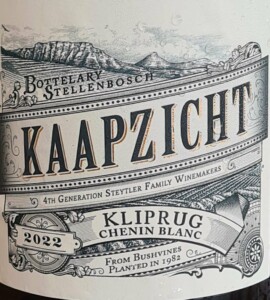 Buoyed by the success of The 1947, a second old-vine Chenin called Kliprug followed, grapes in this instance from a 4.18ha block planted in 1982. Maiden vintage was 2015, total volume then set at 3 000 bottles. By the 2021 vintage, this had grown to some 17 000 bottles and released in February last year it was sold out by June. The decision was consequently taken to bottle everything the vineyard was capable of and there are 29 000 bottles plus 200 magnums of the recently released 2022.